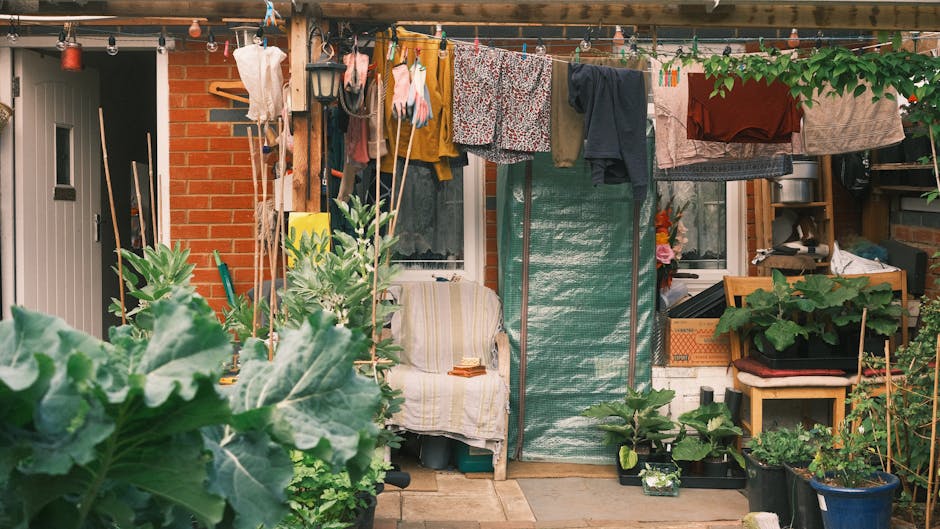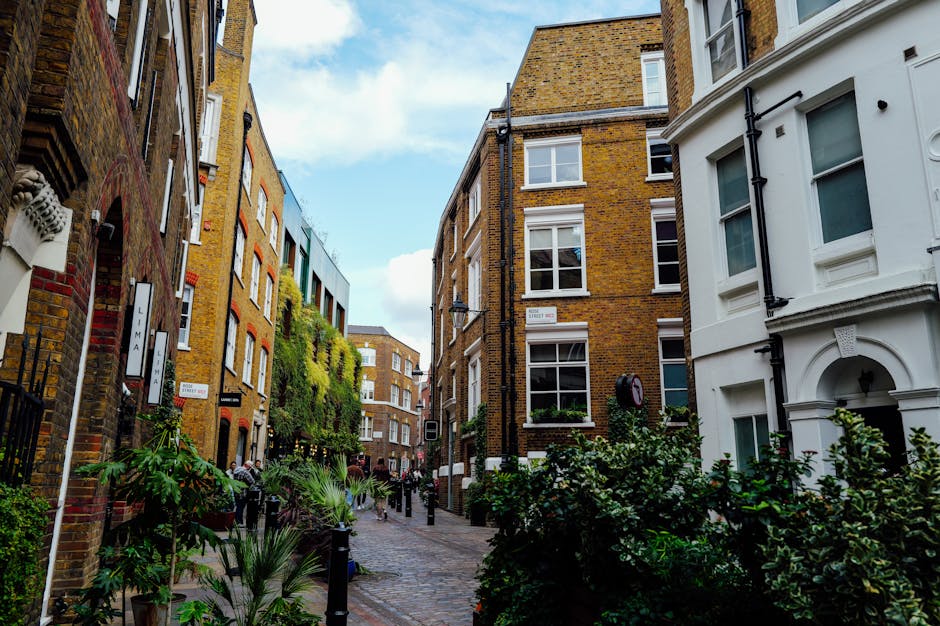
Euston gardeners for small courtyards by Euston Station: practical ideas, expert help, and what to expect
If you live or work near the station, you already know the area moves fast. Space is tight, pavements are busy, and outdoor corners can get overlooked. That is exactly why Euston gardeners for small courtyards by Euston Station matter so much: a small courtyard can be made calm, green, tidy, and genuinely useful, even when every square metre counts.
In a compact London courtyard, good gardening is less about "adding more" and more about making better choices. The right planting, drainage, surfaces, trimming routine, and layout can turn a cramped patch into a place you actually want to sit in. This guide walks through how it works, what to prioritise, what to avoid, and when professional support makes sense. No fluff, just the stuff that helps.
Why Euston gardeners for small courtyards by Euston Station Matters
Small courtyards near Euston Station face a specific set of challenges. You may be dealing with shade from tall buildings, wind tunnels between blocks, limited access, patchy light, and a layout that was never designed with gardening in mind. Add in busy London life, and maintenance can quickly slip. One forgotten month becomes two, then suddenly the space feels more storage yard than garden. It happens.
That is why specialist courtyard gardening is different from general garden care. A skilled gardener looks at proportion, movement, drainage, privacy, and upkeep in one go. They are not trying to create a countryside border in a tiny paved enclosure. They are trying to make a compact outdoor room feel balanced and manageable.
In practical terms, this means the work often includes more than planting. It can involve routine garden maintenance, light landscaping, surface tidying, pruning, container planning, and sometimes even small structural improvements. For courtyards, every decision has to earn its place.
Expert summary: The best courtyard gardens are usually simple, resilient, and easy to maintain. If a design needs constant fussing, it is probably the wrong design for a small Euston space.
How Euston gardeners for small courtyards by Euston Station Works
Good courtyard gardening starts with a proper look at the space. Not a rushed glance. A real assessment. The gardener will usually consider sun exposure, access points, surface condition, drainage, existing plants, privacy needs, and how the space is actually used day to day. Is it a place for morning coffee? A quiet break between meetings? A pet-friendly space? That changes the plan quite a bit.
After that, the practical work tends to fall into a few stages:
- Clear the clutter: remove dead plants, broken pots, old compost, leaf build-up, and anything that blocks movement or light.
- Reset the framework: tidy edges, check containers, inspect surfaces, and decide what stays.
- Choose the right planting: select plants that suit shade, wind, and container conditions rather than fighting the site.
- Build in maintenance logic: keep access clear so future trimming, watering, and sweeping are straightforward.
- Finish with structure: maybe a narrow bench, a small trellis, layered pots, or a clean run of paving that makes the garden feel larger.
For many properties, the job is best treated as a mix of regular care and light design. If the courtyard needs more than trimming and replanting, you may also want to look at landscaping support or landscape gardening to improve the way the space flows. Truth be told, tiny gardens are unforgiving. If the proportions are off, you notice immediately.
In some cases, the first step is a proper reset through garden clearance, especially if the courtyard has become overgrown or neglected. That kind of clean slate can make the rest of the project far easier.
Key Benefits and Practical Advantages
A well-managed courtyard near Euston does more than look tidy. It changes how the space feels and how often you use it. Let's face it, a tiny outdoor area that is awkward or damp gets ignored. A courtyard that is clean, planted, and easy to step into becomes part of daily life.
- Better use of limited space: compact layouts can still offer seating, planting, and movement without feeling cramped.
- Improved appearance: neat planting and regular care give a strong first impression, which matters for homes, rentals, and offices alike.
- Lower maintenance stress: the right plants and structure reduce the feeling that the courtyard is always "needing something".
- More privacy: smart screening, pruning, or height management can soften overlooked spaces.
- Healthier planting: better soil, watering, and positioning mean fewer losses and less wasted money.
- Safer access: keeping paths and surfaces clear helps prevent slips, trip hazards, and nuisance build-up.
There is also a quieter benefit. A small courtyard can become a tiny reset zone. Five minutes outside with a cup of tea, hearing the city hum in the background, can make a day feel less compressed. Not dramatic. Just useful. And sometimes that is enough.
Who This Is For and When It Makes Sense
This kind of service suits a lot of people around Euston Station. Private homeowners use it to make awkward corners feel more liveable. Landlords and property managers use it to keep shared areas respectable and easy to hand over. Small businesses and offices use it to make exterior space welcoming for staff or visitors. Even short-term lets benefit from a courtyard that looks cared for rather than improvised.
It makes particular sense if your garden is:
- small, paved, or partially paved
- shaded for much of the day
- windy because of surrounding buildings
- hard to access with bulky tools or materials
- overplanted with tired shrubs or self-seeding growth
- used occasionally, but not enough to justify heavy landscaping
It also makes sense if you know what you want the courtyard to do, but not how to get there. Perhaps you want less maintenance, more colour, or a better place to sit in spring and early autumn. A good gardener can translate that vague wish into something workable.
Step-by-Step Guidance
If you are planning work on a small courtyard, it helps to think in stages. Rushing straight to plant shopping is where many projects go sideways.
- Define the purpose. Decide whether the space is for relaxing, eating, presenting, screening, or simply keeping tidy.
- Measure the usable area. In a courtyard, the difference between "looks fine" and "feels cramped" can be just a few centimetres.
- Assess light and drainage. Shade, reflected heat, and waterlogging all matter more than people expect.
- Strip back the non-essentials. Remove pots, ornaments, and plants that no longer support the plan.
- Choose a clear structure. Keep one or two focal points instead of filling every corner.
- Select suitable planting. Go for resilient plants that can cope with container life and city conditions.
- Set a maintenance rhythm. Build in watering, feeding, trimming, and sweeping before the space gets messy again.
If you prefer one provider to manage the whole lot, it can help to review a wider services overview so you understand where basic upkeep ends and design-led improvements begin. That distinction saves confusion later, especially when the space needs a bit of both.
For many courtyards, a regular maintenance plan is the real difference-maker. Without it, small jobs snowball quickly. A few leaves, a few weeds, one dead pot plant... and suddenly the corner feels forgotten.
Expert Tips for Better Results
Here are the kinds of decisions that usually improve a courtyard garden straight away, and keep it that way.
- Use layers, not clutter. A tall plant, a mid-level shrub, and low ground elements often work better than lots of random items.
- Keep the floor visible. Open paving or decking can make the whole space feel larger.
- Choose pots carefully. One oversized container can be better than three small ones crammed together.
- Mind the edges. Clean borders and tidy corners stop the garden feeling unfinished.
- Think in seasons. A courtyard that looks decent in March and useless in August has not really been designed properly.
- Prune for shape, not just size. A neat plant that still looks natural will always beat one hacked into a shape it never wanted to be.
A small personal note: some of the nicest Euston courtyards I have seen were not the most expensive. They were the most considered. A good bench, one strong evergreen, a bit of scent, and enough space to move around. That is often all it takes.
If overgrowth is part of the problem, certain services matter more than others. Hedge trimming keeps sightlines open and prevents hedging from swallowing the whole courtyard. If there are trees crowding the space, tree lopping and removal may be relevant, though any decision on trees should be handled carefully and sensibly. Not every tree needs removing. Some just need proper control. Big difference.
Common Mistakes to Avoid
Small courtyards are less forgiving than larger gardens, so mistakes show up fast. The good news? Most are avoidable.
- Overfilling the space: too many pots, chairs, features, or plants make the courtyard feel smaller than it is.
- Ignoring drainage: standing water can damage surfaces and root systems, and it is miserable to live with.
- Choosing plants for looks only: a plant that hates shade or wind will struggle, however lovely it looked in the nursery.
- Skipping maintenance access: if nobody can reach the back corner, the back corner becomes a problem later.
- Using one-off fixes only: a courtyard often needs structure plus ongoing care, not a single tidy-up and hope.
- Forgetting the human side: if you can't comfortably open a door, pull out a chair, or walk through without brushing against leaves, the design has gone wrong somewhere.
A common one in London is assuming a tiny space needs tiny plants. Often the opposite is true. A few larger, well-chosen plants can look calmer and more intentional than a dozen little ones fighting for attention. Funny how that works.
Tools, Resources and Recommendations
You do not need a van full of specialist kit to keep a small courtyard under control, but the right tools help. For regular upkeep, a compact set is usually enough.
- lightweight secateurs for deadheading and minor pruning
- small shears for soft shaping and tidy edges
- a narrow broom or hand brush for sweeping paving
- a watering can or hose setup suitable for the site
- quality compost and top dressing for containers
- gloves, because thorny plants always seem to know when you are in a hurry
For broader care, it is worth considering whether you need occasional tidy-ups or a scheduled service. Some courtyards are fine with seasonal attention. Others need more regular input, especially where plants are in containers and weather exposure is high. If you are comparing approaches, look carefully at how each option handles maintenance, clearance, and longer-term upkeep.
You may also want to think about how the space is disposed of and refreshed over time. The company's recycling and sustainability approach can be a useful part of that conversation, particularly if a project involves a fair amount of green waste or old planters. It is one of those practical details that tends to get ignored until bags are piling up by the gate.
Law, Compliance, Standards, or Best Practice
Courtyard gardening is not heavily regulated in the same way as some trades, but there are still sensible standards to follow. In a busy part of London, the basics matter: keep walkways safe, avoid leaving tools or waste where people could trip, and manage work so neighbours and occupants are not put at risk.
If work involves ladders, cutting equipment, heavy materials, or access through shared areas, health and safety planning becomes more than a formality. Good practice usually includes checking the site in advance, using appropriate equipment, and taking care with waste handling. If you want reassurance on this side of things, it is worth reviewing the company's health and safety policy and insurance and safety information.
For customers, the most useful question is simple: will the work be done carefully, with proper attention to property boundaries, access, and waste removal? That is the kind of standard that matters day to day. It is not glamorous, but it is the backbone of reliable service.
There are also practical consumer considerations around clarity, pricing, and what is included. Before you commit, it is sensible to understand the quotation process and how any variations are handled. A transparent pricing and quotes page is often a good sign that expectations will be managed properly. No one enjoys awkward surprises halfway through a small job. Nobody.
Options, Methods, or Comparison Table
Not every courtyard needs the same approach. The right method depends on condition, goals, and how often you want to maintain the space. Here is a simple comparison that may help.
| Approach | Best for | What it usually includes | Trade-offs |
|---|---|---|---|
| Routine maintenance | Courtyards that are already tidy but need ongoing care | Weeding, sweeping, light pruning, watering support, plant checks | Does not solve deeper layout or drainage issues |
| One-off refresh | Spaces that have become messy, tired, or overgrown | Clearance, cutting back, re-edging, basic replanting | Often needs follow-up to stay looking good |
| Design-led improvement | Courtyards that need a clearer look and better flow | Layout adjustments, planting plan, surface balance, feature placement | Takes more planning and can cost more up front |
| Combined approach | Most small courtyards near Euston Station | Clearance, maintenance, planting, and light landscaping | Requires sensible sequencing, not a rushed all-at-once fix |
In many real-world cases, the combined approach is the sweet spot. Clear the clutter first, then improve structure, then maintain it. Simple in theory. Slightly fiddly in practice, as these things usually are.
Case Study or Real-World Example
Imagine a small courtyard behind a building near Euston Station. It has paving, a few tired containers, a couple of scruffy evergreen shrubs, and not much else. The space is used briefly in the morning, but mostly ignored because it feels dark and cramped.
The first job is a reset: remove dead plant material, sweep the paving, and cut back anything that blocks the light or makes the route awkward. After that, the space is divided into zones. One side gets taller evergreen structure for privacy. The middle stays open so it still feels walkable. Near the seating area, a couple of robust containers bring colour without cluttering the floor.
Then comes the part people often miss: maintenance. The best transformation in the world will fade if nobody keeps up with watering, deadheading, and seasonal tidy-ups. So the plan is kept realistic. Nothing high-maintenance. Nothing fragile. Just a small, reliable system that the space can actually support.
What changes? The courtyard becomes somewhere people notice on the way through. Not a grand garden. Just calmer, neater, and much more inviting. In a city environment, that counts for a lot.
Practical Checklist
Use this checklist before starting or booking work on a small courtyard:
- Measure the usable space, not just the overall footprint
- Check how much light the courtyard gets during the day
- Look for drainage problems, standing water, or damaged paving
- Decide whether the goal is relaxation, presentation, privacy, or all three
- Remove dead plants, broken pots, and unnecessary clutter
- Choose plants suited to containers, shade, and wind exposure
- Keep enough open floor space to move comfortably
- Plan for future maintenance, not just the initial makeover
- Check whether extra services such as lawn mowing are relevant if the courtyard adjoins a larger garden area
- Ask how waste, access, and safety will be handled on site
A simple checklist like this prevents a lot of headaches. Honestly, that is half the battle.
Get a free quote today and see how much you can save.
Conclusion
Small courtyards by Euston Station can be surprisingly rewarding when they are designed and maintained with care. You do not need a huge budget or a sprawling layout. You need the right priorities: light, access, structure, resilient planting, and regular attention. Get those right and the space starts to feel less like a leftover patch and more like a real part of the property.
If you are weighing up whether to refresh, simplify, or completely rethink your courtyard, start with the practical realities of the site. That is where good decisions come from. And once the clutter drops away, you can usually see the space for what it could be. Which is often more than you expected.
For more background on the team and approach, you may also find the about us page useful, and if you are ready to talk through your space, the contact us page is the next sensible step. A small courtyard can become a very good place to be. Little by little, it does.
Frequently Asked Questions
What do Euston gardeners for small courtyards by Euston Station usually do?
They typically handle a mix of maintenance, tidying, pruning, planting advice, and layout improvements tailored to a compact outdoor space. In some cases, the work is mainly to keep the courtyard neat; in others, it involves a bigger refresh with better planting and structure.
How often should a small courtyard be maintained?
That depends on planting, exposure, and use. A tidy paved courtyard with a few sturdy pots may only need seasonal attention, while a planted courtyard with more growth often benefits from regular visits. In a busy London setting, a light but consistent schedule usually works best.
Can a very shaded courtyard still look good?
Yes, absolutely. Shade is not a deal-breaker. It just changes the plant choices and the design approach. Shade-tolerant plants, lighter surfaces, and a clear layout can make a dark courtyard feel much more welcoming.
Is garden clearance needed before courtyard work starts?
Often, yes. If the space is overgrown, cluttered, or full of dead material, clearance makes the rest of the job much easier. A clean start helps the gardener see what is really possible.
What are the biggest mistakes people make with small courtyards?
The most common ones are overfilling the space, using plants that do not suit the conditions, and ignoring maintenance access. Small spaces are unforgiving, so the design has to be practical as well as attractive.
Do small courtyards need landscaping?
Sometimes they do, especially if the surfaces, layout, or drainage are causing problems. Light landscaping can improve flow and usability without turning the project into a full rebuild. It depends on the condition of the courtyard.
How do I keep a courtyard looking good without spending loads of time on it?
Keep the planting simple, use hardy plants, leave enough open space, and set a regular maintenance routine. A design that is easy to sweep, prune, and water is usually the most practical long-term choice.
Are hedge trimming or tree services relevant in a small courtyard?
They can be. If overhanging growth is blocking light, crowding the space, or affecting privacy, trimming or tree work may be part of the solution. The key is to treat it carefully and only when it genuinely improves the space.
How do I know whether I need maintenance or a full redesign?
If the courtyard is basically fine but just needs tidying, maintenance may be enough. If the space feels awkward, overgrown, poorly lit, or hard to use, a redesign or light landscaping may be more appropriate. A good site assessment usually makes that clear.
What should I ask before booking work on a courtyard garden?
Ask what is included, how waste will be handled, whether access is straightforward, what plants or materials are recommended, and how ongoing upkeep will work. Clear answers at the start usually mean fewer surprises later.
Can a courtyard be both low-maintenance and attractive?
Yes, and that is usually the ideal. The trick is to choose the right plants, keep the layout uncluttered, and design with upkeep in mind. Low-maintenance does not have to mean plain.
What if my courtyard has poor drainage?
Poor drainage needs addressing early because it affects everything else. Plants struggle, paving can suffer, and the area may become slippery. A proper inspection is important before any bigger planting or surface changes are made.