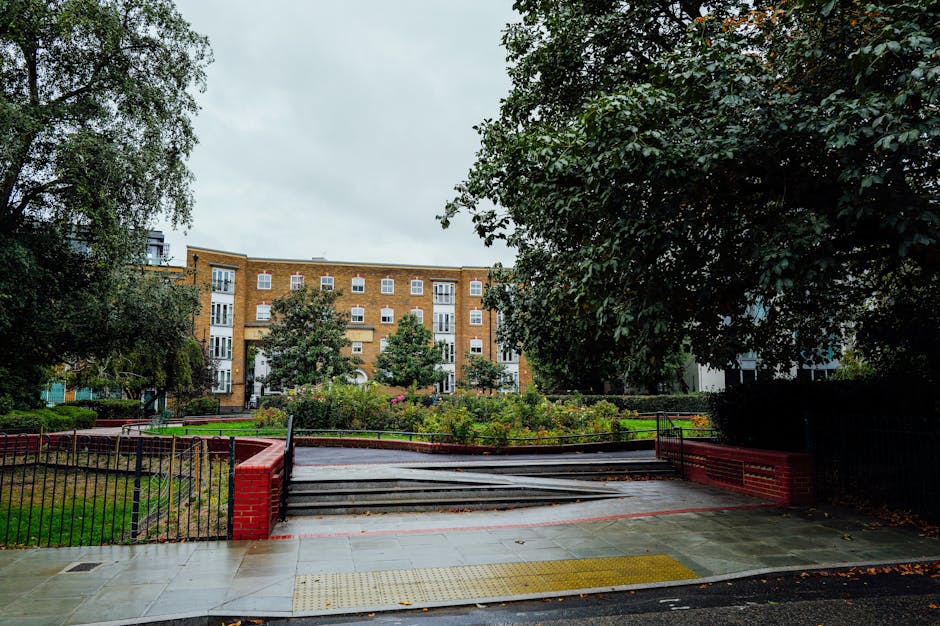
Common access problems for Euston garden maintenance flats

If you manage or live in a flat in Euston, you will know that garden care is rarely as simple as turning up with a mower and getting on with it. Common access problems for Euston garden maintenance flats can slow everything down: locked gates, awkward stairways, narrow side passages, shared courtyards, poor lighting, parking restrictions, and the classic "someone forgot to mention the key code" situation. It sounds minor until a routine visit turns into a 20-minute shuffle with equipment and messages back and forth. This guide breaks down the access issues that matter most, why they matter, and how to handle them without turning garden maintenance into a weekly headache.
Whether you oversee a small block, a converted townhouse, or a larger residential building, access affects time, cost, safety, and the quality of the work itself. Let's face it: even the best garden team can't cut back hedges neatly or clear green waste efficiently if they cannot reach the space properly. Below, you'll find a practical, grounded look at what usually goes wrong, what good access planning looks like, and how to make maintenance smoother for everyone involved.
Why Common access problems for Euston garden maintenance flats Matters
Garden maintenance in flats is usually a shared process. There may be residents, a managing agent, a freeholder, a porter, and sometimes a contractor all trying to work around each other. That makes access more than a convenience issue. It shapes what can be done, how quickly it can be done, and whether the work is safe and consistent.
In Euston, access can be particularly awkward because many buildings sit on tight urban plots, with limited outdoor space and more than one route in or out of a garden area. You might have a front entrance on one street, a service entrance on another, or a courtyard that can only be reached through internal communal areas. If any one of those access points is unclear, the whole job can stall.
The impact is bigger than many people expect:
- contractors spend longer getting equipment to site
- work starts late or gets split across visits
- the risk of damage to communal halls or flooring increases
- residents become frustrated by noise, mess, or repeated interruptions
- green waste removal becomes a faff, and yes, a costly one
There is also the quality angle. A gardener who is constantly carrying gear through tight internal spaces will naturally work differently from one with straightforward external access. That can influence the speed of lawn mowing, hedge trimming, garden clearance, and even the finish of more detailed landscaping work. If you want reliable results, access planning has to be part of the conversation from day one.
Expert summary: the biggest access issues are rarely about the garden itself. They are about getting people, tools, and waste in and out without disrupting residents or creating unnecessary risk. Sort access early, and most other problems become much easier.
If you are also reviewing broader support needs for a block, it is often sensible to look at the wider services overview so the maintenance schedule matches the building's real layout rather than an idealised one.
How Common access problems for Euston garden maintenance flats Works
Access problems usually appear in one of three ways: physical barriers, communication gaps, or logistical constraints. In practice, they often overlap. A gate is locked, the key is with someone off-site, and the only way to carry machinery in is through a narrow hallway. That is the sort of chain reaction that can turn a simple visit into a messy one.
1. Physical barriers
These are the obvious ones. Narrow paths, steep steps, broken paving, heavy gates, low archways, poor lighting, and shared entrances all affect how a team can enter and move around. Some flats also have gardens behind multiple security doors, which can be fine if everything is arranged properly, but frustrating if even one door access point is not ready.
2. Permission and key access
Many flat gardens are not directly accessible to the resident. The contractor may need a fob, a code, a key held by a porter, or permission from a managing agent. If any of that is missing, the visit may be delayed or cancelled. It sounds obvious, but you would be surprised how often a team arrives on site and no one is quite sure who has the key.
3. Shared-space sensitivity
Access through communal corridors, stairwells, lifts, or shared courtyards means you have to think about other residents. There may be concerns about wet boots on carpets, muddy waste bags in hallways, or equipment blocking a fire exit. This is why access planning is not only about convenience; it is about respecting the building and the people living in it.
4. Parking and unloading
In central London, a vehicle may not be able to park right outside the building. That affects how quickly tools can be unloaded and how green waste is taken away. A job that involves hedge trimming or garden clearance can become a lot slower if the team has to wheel everything from a side street. Not impossible, just more fiddly.
5. Timing restrictions
Some buildings only allow access during limited hours, or they prefer maintenance visits outside peak resident movement times. That can be sensible, but it also means the contractor needs clear timing information. Miss the window and the whole job can slip.
Good access systems work best when they are simple, documented, and shared with everyone who needs them. The less guesswork, the better. Honestly, a short access note can save everyone a lot of irritation.
Key Benefits and Practical Advantages
When access is sorted properly, the gains are immediate and fairly obvious. The job becomes easier to schedule, safer to deliver, and cheaper to repeat. There is also a calmer atmosphere around the building, which sounds soft but matters more than people think.
- Fewer delays: contractors can arrive, unload, and begin work without waiting for keys or instructions.
- Better results: teams can focus on the garden rather than the logistics.
- Improved safety: fewer trips through communal areas means less risk to residents and staff.
- Lower disruption: maintenance can be done with less noise, less mess, and less back-and-forth.
- Cleaner waste handling: green waste can be removed more efficiently, especially after larger clearance or pruning jobs.
- More reliable scheduling: recurring work such as mowing or hedge trimming runs more smoothly when the access routine is consistent.
There is a practical money angle too. Time lost to poor access tends to show up in labour costs, wasted journeys, or extra visits. It may not always be itemised in a dramatic way, but it is there. On the other hand, a block with clear instructions, clean access points, and predictable arrangements can often be maintained more efficiently over the long term.
If the building is planning more involved work, such as landscaping changes or the installation of decking, access planning becomes even more important. It can affect how materials are delivered, where they are stored, and how safely the team can move around during the job.
Who This Is For and When It Makes Sense
This topic matters to a fairly wide group of people, not just property managers. If you are wondering whether it applies to your building, the answer is usually yes if the garden is shared, hidden, elevated, or reached through the main flat entrance rather than a direct outdoor gate.
It is especially relevant for:
- managing agents responsible for regular maintenance
- freeholders overseeing communal garden areas
- resident associations coordinating block upkeep
- landlords with basement flats or converted buildings
- homeowners in flats with private but awkward garden access
- contractors trying to plan repeat visits without hassle
It makes sense to think about access before any of the following happens:
- you book a one-off clearance and realise no one has a key
- you set up regular mowing but forget about waste removal routes
- you plan hedge work and discover the ladder cannot be brought through the building safely
- residents complain about muddy footprints or blocked pathways
A good rule of thumb: if the gardener will need to enter through a shared or controlled space, access should be treated as part of the service design, not a last-minute admin note. That little mindset shift saves a lot of trouble.
For flat owners looking for ongoing care, this is where routine garden maintenance becomes more effective than occasional panic jobs. Regular visits are much easier to manage when the route in and out is consistent.
Step-by-Step Guidance
If you want to reduce access problems, it helps to handle them in a methodical way. Nothing fancy. Just a clean process.
- Map the access route. Write down every step from street to garden: gate, door, corridor, lift, stairwell, courtyard, and exit route. If possible, walk it yourself. You notice awkward turns and pinch points much more quickly that way.
- Identify the access owner. Who holds the key, code, or fob? Who can authorise entry? Who should be contacted if something changes on the day?
- Note restrictions. Include hours of access, noise sensitivities, parking constraints, and any resident rules about communal areas.
- Share the details clearly. Give the contractor one written version that covers the basics. A vague text message at 7.30am is not enough, to be fair.
- Check equipment requirements. Tall hedges, uneven surfaces, or heavy green waste may require different tools, more than one person, or a different route in.
- Plan waste removal. If cuttings need to be carried through the building, make sure sacks, tubs, or wheelbarrows can move safely without damaging shared spaces.
- Test the first visit. Treat the first job as a learning visit. See where delays happen and refine the access notes afterwards.
- Review regularly. Access arrangements change. Tenants move, keys get duplicated, managers change, and one broken lock can unravel everything.
A simple access sheet is often enough. It does not need to be elaborate. It just needs to be accurate. And yes, accuracy beats cleverness every time here.
Expert Tips for Better Results
In our experience, the smoothest flat-garden jobs are the ones where somebody has thought about the boring details before the first blade of grass is cut. Boring details are secretly the whole game.
Keep access instructions short but specific
Do not hand over a long, rambling note. Use a short instruction set: where to park, which door to use, who to call, and what to do if nobody answers. That is enough for most visits.
Make the route as "tool-friendly" as possible
If you can keep a clear route to the garden, do it. Move bins, scooters, stacked parcels, and temporary obstacles out of the way before the visit. A two-minute tidy-up can save ten minutes of awkward manoeuvring.
Think about wet weather
London rain changes the whole feel of a job. Shoes pick up more dirt, steps become slick, and communal carpeted areas need extra care. On a damp morning in Euston, the difference between a good setup and a bad one is often just one mat, one clean route, and one person paying attention.
Use the same access pattern where possible
Consistency helps everyone. If mowing always happens via the side gate, keep it that way unless there is a reason to change. People remember patterns better than exceptions.
Allow room for waste and equipment
Even smaller maintenance jobs create clutter: bags of clippings, hand tools, ladders, blowers, and trimmings. A narrow hallway is not the place to discover you need somewhere to set everything down.
Plan around more demanding services
Some work is simply more access-sensitive than others. Tree work, for example, usually needs extra care with routes, overhead clearance, and handling debris. If the job involves higher or heavier work, take a look at tree lopping and removal and build access planning into the job brief from the outset.
Small detail, big difference.
Common Mistakes to Avoid
Most access problems are preventable, which is both comforting and slightly annoying. Comforting because they can be fixed; annoying because they often happen for predictable reasons.
- Assuming everyone knows the route. They do not. Never assume the keyholder, porter, or contractor has the same mental map.
- Leaving access to the day itself. If the gate code is missing or the lift is out of service, you have already lost time.
- Forgetting about waste exit. Entry is only half the job. Green waste still needs to leave the building without making a mess.
- Ignoring residents' routines. School run times, morning commutes, and evening quiet hours matter in blocks just as much as in houses, sometimes more.
- Not checking safety hazards. Loose paving, poor lighting, trailing cables, and slippery steps can create avoidable risks.
- Overcomplicating the process. A simple access checklist usually works better than a complicated system that nobody uses.
There is one mistake we see over and over: people treat access as an admin issue instead of an operational one. That sounds like a small distinction, but it changes everything. If the access plan is operational, it gets reviewed with the same care as the work itself.
Tools, Resources and Recommendations
You do not need expensive systems to manage access well. Most buildings only need a handful of straightforward tools and habits.
Useful tools
- Access notes: a short written sheet or shared document with route, contact, and timing details.
- Key log: a simple record of who holds which key or fob, and when it was last checked.
- Site photos: a few pictures of gates, side passages, and entry points can help everyone visualise the route.
- Resident notice template: useful for warning about garden work, temporary noise, or waste movement through communal areas.
- Waste sacks and tubs: practical for keeping cuttings contained as they are moved through the building.
Operational recommendations
For routine jobs like mowing, light pruning, and tidy-ups, steady access arrangements matter most. If you are setting up ongoing care, lawn mowing services work best when the team can enter and leave quickly, with minimal disturbance. For heavier seasonal jobs, such as overgrown spaces or neglected communal plots, garden clearance is often easier when access has already been reviewed and waste routes are clear.
If the garden layout is changing, or if you are improving paths, boundaries, or the way the area feels for residents, consider whether broader landscaping support is needed. Good access design and good garden design should really work together. They are cousins, not strangers.
And if you need help understanding the service scope, the services overview page is a useful place to compare maintenance, clearance, trimming, and larger project options before making a decision.
Law, Compliance, Standards and Best Practice
Access arrangements for flat gardens are not just about convenience. They can touch on safety, liability, building management duties, and reasonable care for shared spaces. It is sensible to keep the discussion practical rather than overly legalistic, but a few broad principles matter.
First, communal areas should be kept safe and unobstructed during maintenance. That means avoiding blocked exits, reducing trip hazards, and handling equipment carefully. If a contractor is moving through a building, there should be a clear understanding of how to protect residents, finishes, and fixtures.
Second, any work involving ladders, cutting tools, or heavy debris should be planned with proper risk awareness. For taller hedges, overgrown shrubs, or awkward branches, safe access is not optional. It needs to be considered alongside the task itself. If a building's access is poor, the method may need to change.
Third, good property management practice in the UK tends to favour written arrangements, clear responsibility, and repeatable procedures. That may sound dry, but it avoids the classic "I thought someone else had it" problem. A named contact, a simple key process, and written timing notes go a long way.
Fourth, if residents have accessibility needs, access planning should be especially careful. Avoid forcing unnecessary movement through tight spaces, and keep routes clear. Where appropriate, look at the building's own accessibility statement as part of a wider commitment to inclusive access and clear communication.
If you are choosing a provider, it is sensible to check how they approach safety and site handling. The pages on health and safety policy and insurance and safety help show the kind of standards a professional operation should be willing to discuss openly. That transparency matters. A lot.
Also worth checking: payment clarity, quote structure, and service terms. Access problems can affect time on site, so it is helpful to understand how jobs are priced and what happens if the access arrangement changes on the day. The pages on pricing and quotes and terms and conditions can support that discussion. If you want to know how a provider handles your details, take a look at privacy policy and payment and security too.
None of this is about overcomplicating the job. It is simply about making sure the building, the residents, and the gardeners all know what to expect.
Options, Methods, or Comparison Table
Different access methods suit different building layouts. Here is a simple comparison that may help if you are deciding how to manage flat-garden maintenance in practice.
| Access method | Best for | Benefits | Common drawbacks |
|---|---|---|---|
| Direct external gate access | Ground-floor flats with a separate garden entrance | Fast, clean, low disruption | Can still be blocked by storage, bins, or poor locks |
| Keyed communal access | Blocks with shared corridors or courtyards | Works well once the system is organised | Key management and resident coordination can get messy |
| Fob or code access | Managed buildings with controlled entry | Convenient for repeat visits | Codes can change, fobs get lost, and access can fail without notice |
| Porter or caretaker entry | Buildings with on-site staff | Personal oversight and local knowledge | Dependent on staffing hours and handover quality |
| Temporary arranged access | One-off works or seasonal clearance | Flexible for short jobs | Higher risk of missed instructions or delays |
For regular maintenance, direct or highly predictable access tends to work best. For larger blocks, a controlled method can work well too, but only if the route and key process are kept up to date. If not, the clever system becomes an annoying system. We have all met one of those.
Case Study or Real-World Example
Here is a realistic example from a typical Euston-style block, without turning it into a made-up drama.
A small converted building had a rear communal garden used by four flats. The first few maintenance visits were bumpy. One gardener arrived expecting a rear gate code, but the code had changed. Another time, the only key was held by a resident who was away for the weekend. On one wet morning, tools were carried through the main hallway and left muddy marks near the entrance mat. Nobody was thrilled.
The fix was simple, not magical:
- a single named contact was appointed
- the access route was written down clearly
- the gardener was asked to use one specific entrance only
- a small notice was shared before each visit
- green waste was bagged before being moved through communal areas
Within a couple of visits, the whole thing settled down. The garden got cut on time, the residents stopped worrying about surprise foot traffic, and the work itself improved because the contractor could focus on the beds, the edges, and the hedge lines instead of chasing keys. It was not dramatic. Just well organised. Sometimes that is the nicest kind of success.
The building later added a brief note to support seasonal work, especially when hedge growth became heavier in late spring. That made recurring visits far easier, and it also helped when planning occasional larger tasks like pruning or clearance.
Practical Checklist
Use this checklist before the next visit. It is deliberately simple.
- Have you confirmed who can grant access?
- Do you have the right key, fob, code, or escort arrangement?
- Is the access route clear of bins, bikes, parcels, or locked internal doors?
- Has the contractor been told where to park or unload, if relevant?
- Are residents aware of the visit, especially if shared spaces will be used?
- Are there any steps, narrow passages, or low ceilings that need extra care?
- Will cuttings or waste need to come back through the building?
- Is there a plan if the keyholder is unavailable?
- Have health and safety concerns been considered for tools, cables, or ladders?
- Has the access note been updated since the last visit?
If you can tick most of those off, you are already ahead of the game. Not perfect, maybe, but properly ahead.
Conclusion
Common access problems for Euston garden maintenance flats are usually not dramatic, but they are highly disruptive when ignored. Tight entrances, shared corridors, key confusion, parking limits, and unclear responsibilities can all derail a job that should have been straightforward. The good news is that most of these issues are manageable with a bit of planning, clear communication, and regular review.
Think of access as part of the service, not a side note. When you treat it that way, the garden gets better care, residents experience less disruption, and the whole building runs more smoothly. That is especially true in central London, where every metre, every key, and every minute tends to matter more than people expect.
If you are reviewing your building's routine care, compare the maintenance needs, the access route, and the practical timing before the next visit. A little preparation now can save a lot of frustration later, and honestly, that is a good trade.
Get a free quote today and see how much you can save.
Frequently Asked Questions
What are the most common access problems for flat gardens in Euston?
The most common issues are locked gates, missing keyholders, narrow communal corridors, limited parking, poor lighting, and unclear instructions about how to reach the garden safely.
Why does access matter so much for garden maintenance in flats?
Because the team often has to pass through shared spaces and carry equipment or waste in and out. If access is awkward, work becomes slower, less safe, and more disruptive for residents.
How can a building make garden access easier for contractors?
By providing clear written instructions, a named contact, reliable keys or codes, and a clear route for entry and waste removal. Small things help more than people think.
Do access problems increase the cost of maintenance?
They can, because extra time, delays, and repeat visits all affect how efficiently a job can be completed. The exact impact depends on the site and the type of work.
What should be included in an access note for a flat garden?
Include the entrance to use, who holds the key or code, parking or unloading guidance, any restrictions on timing, and what to do if no one is available on arrival.
How do access issues affect lawn mowing in flats?
They usually affect timing and setup. If the mower has to be carried through a building or the garden can only be reached at certain times, regular mowing becomes harder to schedule.
Are shared courtyards harder to maintain than private gardens?
Often, yes. Shared courtyards need more coordination because maintenance has to fit around residents, access rules, and the need to keep communal areas clean and unobstructed.
What if the garden can only be reached through the main building entrance?
Then the route needs extra care. The access plan should protect hallways, carpets, and exits, and the contractor should know exactly where to go and how to leave the site tidily.
How often should access arrangements be reviewed?
Ideally whenever anything changes: new residents, new keyholders, building works, gate repairs, or a change in maintenance frequency. Even without changes, a periodic review is sensible.
Is access planning different for hedge trimming or clearance jobs?
Yes. Hedge trimming may need ladders or taller equipment, while clearance often creates more waste to move out. Both jobs benefit from clearer access planning than a basic tidy-up.
What is the best way to avoid resident complaints about garden work?
Communicate early, keep routes tidy, use the right entrance, and avoid blocking shared areas. A short notice before work starts can prevent a surprising amount of grumbling.
Where should I start if my block has recurring access issues?
Start with a simple site walk-through and a written access sheet. Then speak with the keyholder, managing agent, or resident representative and tighten up the process before the next visit.
Contact the team here if you want to discuss a flat-garden access issue before it turns into a bigger problem.